


about us
Nourieh Hospital, built in 1296 AH at the end of Zarisof Street in Kerman, is considered the first indigenous and local hospital in the city and is listed as number 3636 on the list of national monuments of Iran. The founder and benefactor of this building is Noorullah Khan, nicknamed Zahir al-Mamalek, the grandson of Ibrahim Khan Zahir al-Dawlah, who was the ruler of Kerman from 1218 to 1240 and was the source of many services and prosperity.


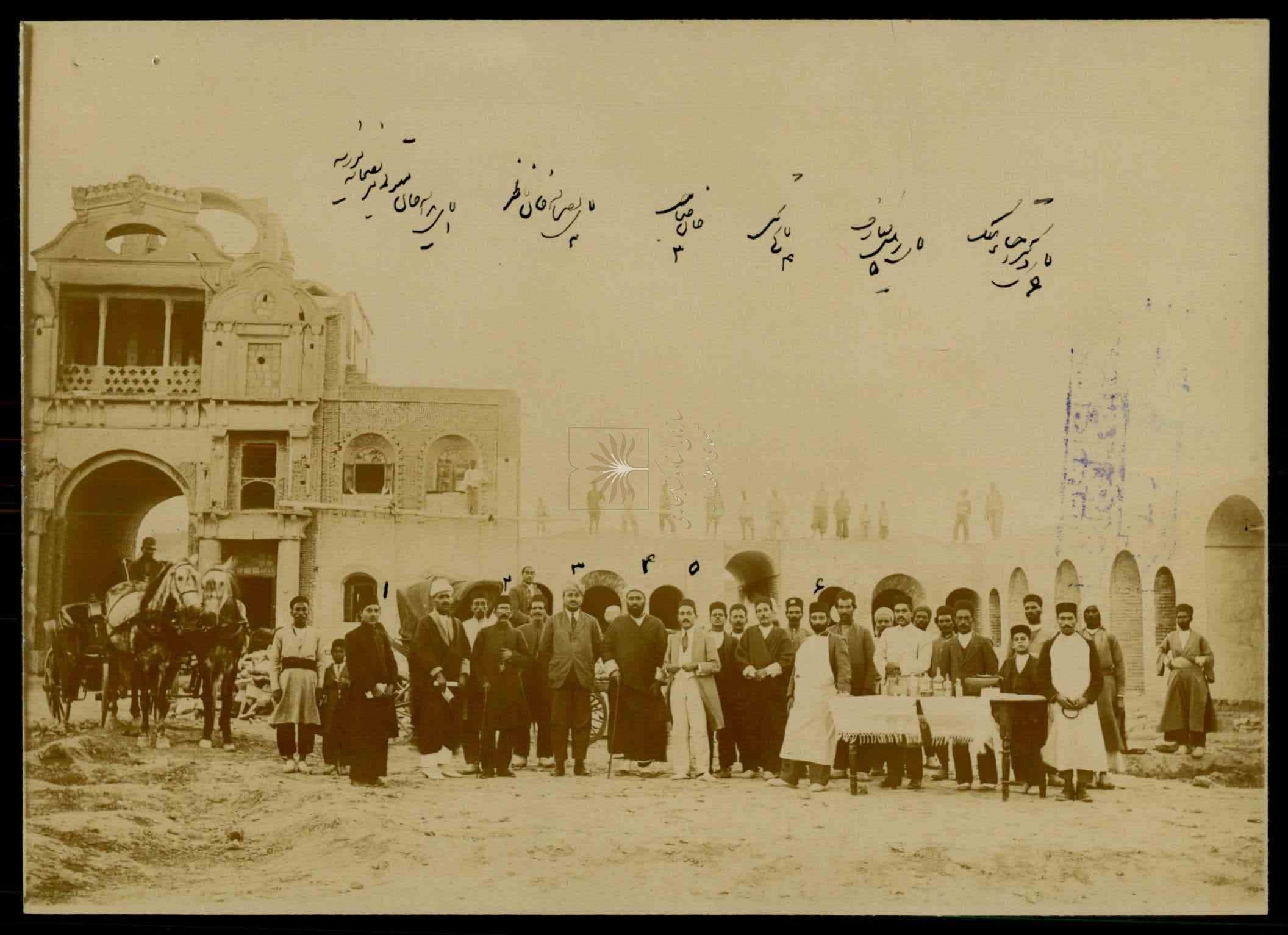
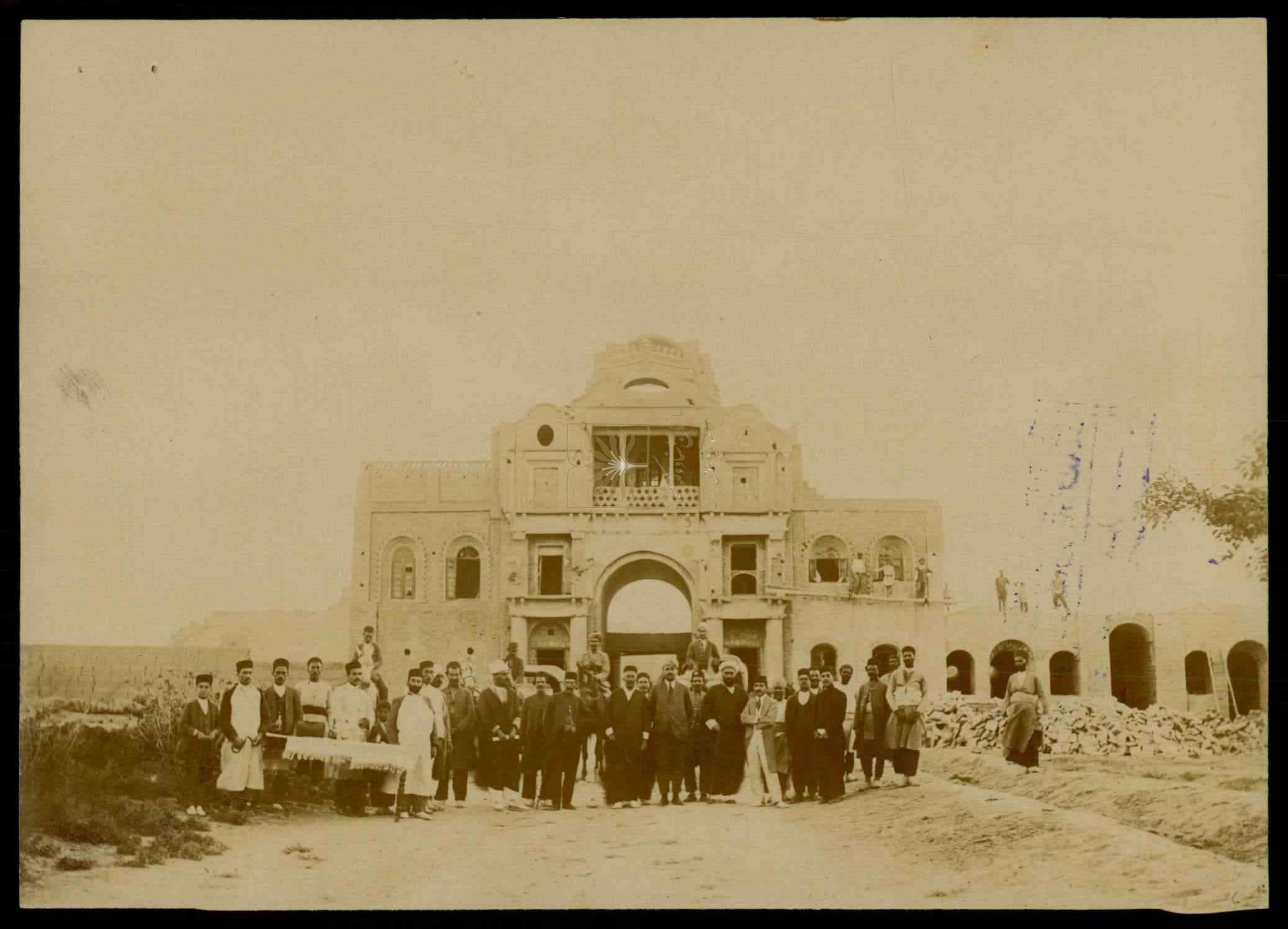
Opening of Nouriyeh Neurological and Psychiatric Hospital
Nourieh Neurological Hospital was inaugurated in February 2014 on the day of Fajr, in the presence of the First Vice President and the Minister of Health. The head of Nourieh Neurological Hospital, Dr. Qodratollah Rajabi, said: “The province’s good cooperation was seen in the launch of Nourieh Neurological Hospital. The trustee of the Nourieh Endowment Hospital and Kerman University of Medical Sciences had significant cooperation in the opening of the hospital.”

A Comprehensive Introduction to Nourieh Psychiatric Hospital
Address: Nourieh Psychiatric Hospital, Modiriat Crossroads, Kerman, Kerman Province, Iran
Phone Numbers (for general information and appointments):
034-33126601-5
09940165635
Nourieh Specialized Psychiatric Hospital, located in the city of Kerman, is one of the most prominent medical centers in southeastern Iran, specifically dedicated to the diagnosis, treatment, and rehabilitation of patients with mental and neurological disorders. Operating under the supervision of the Kerman University of Medical Sciences and Health Services, this hospital is recognized as a major referral center for patients from across Kerman province and neighboring provinces.
Wards and Treatment Units
Nourieh Hospital comprises various departments, which are segregated based on gender and the type of services provided:
Male Inpatient Ward: Includes acute and chronic care units for the admission and treatment of male patients.
Female Inpatient Ward: Includes acute and chronic care units for the admission and treatment of female patients.
Psychiatric Emergency Department: This unit operates 24/7 to admit patients in acute and critical psychiatric conditions who require immediate medical intervention.
Specialized and Sub-specialized Clinic: Located on the hospital premises or in affiliated university clinics, it provides outpatient services by professors and specialists in psychiatry.
Psychology and Counseling Unit: Offers individual and group psychotherapy services, family counseling, and psychological assessments.
Occupational Therapy (OT) Unit: One of the hospital’s vital departments, it aims to rehabilitate patients and help them return to their daily functioning. Activities in this unit include art therapy, sports, skill-building, and social activities.
Treatment and Diagnostic Services
The center covers a wide range of mental disorders, including:
Mood Disorders: Such as Major Depressive Disorder and Bipolar Disorder.
Psychotic Disorders: Such as Schizophrenia and other psychotic disorders.
Anxiety Disorders: Such as Panic Disorder, Generalized Anxiety Disorder (GAD), and Obsessive-Compulsive Disorder (OCD).
Trauma- and Stressor-Related Disorders (e.g., PTSD).
Personality Disorders.
Geriatric Psychiatry Disorders.
Substance Abuse-Related Problems (when co-occurring with a psychiatric disorder).
Other Units and Services:
Social Work Unit: Provides social and family support to patients and follows up on their condition after discharge.
Electroconvulsive Therapy (ECT) Unit: Offers electroconvulsive therapy services for patients who require this treatment as determined by a psychiatrist (e.g., in cases of severe, treatment-resistant depression).
Pharmacy: Supplies specialized psychiatric and neurological medications.
Services available to patients:
Clinical Psychology
Occupational Therapy
ECT
Rheumatic Brain Stimulation
Rheumatic BrainWave Evaluation EEG-EEG
Ketamine Therapy
Admission and Referral Process
Emergency Admission: Patients in acute conditions can go directly to the hospital’s emergency department. Here, the patient is assessed by the resident psychiatrist, and if necessary, an admission order is issued.
Admission via the Clinic: A patient can first visit the outpatient clinic. After being evaluated by a psychiatrist, they may be admitted to an inpatient ward on a scheduled basis if deemed necessary by the treating physician.
Referral from Other Centers: Patients may be referred to this hospital from other hospitals or medical centers in surrounding towns and cities.
Important Information for Patients and Families
Family Support: The role of the family is crucial in the treatment process for patients with mental and neurological disorders. Collaborating with the treatment team, attending family counseling sessions, and providing a supportive environment after discharge significantly contribute to the patient’s recovery.
Fighting Stigma: Unfortunately, mental illnesses are still associated with stigma and misconceptions in society. It is important to remember that these illnesses, like physical diseases (such as diabetes or heart disease), require specialized treatment and should not be a source of shame for the patient or their family.
Treatment Adherence: Psychiatric treatments are often long-term. Regular follow-ups and strict adherence to medication as prescribed by the doctor are essential to prevent relapse.