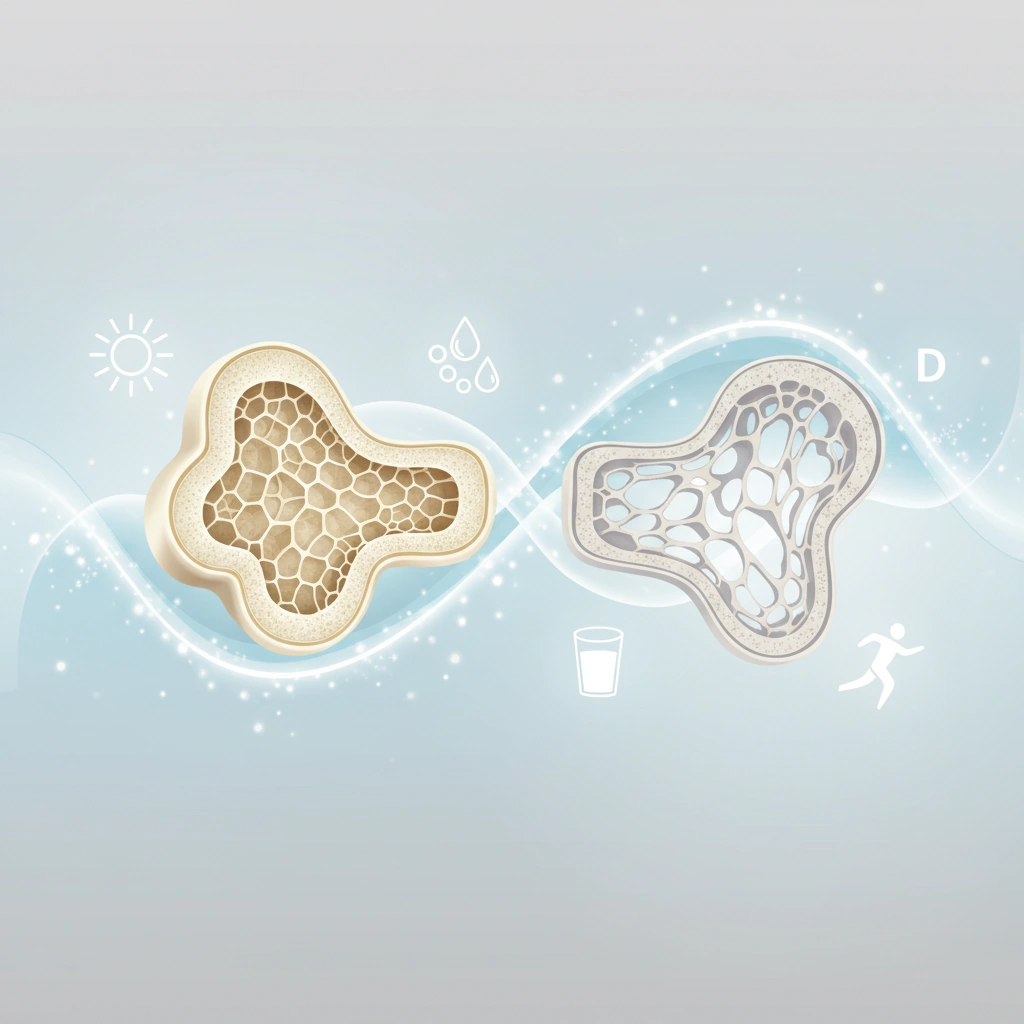
World Osteoporosis Day
World Osteoporosis Day
What is osteoporosis
Osteoporosis is a common bone disease in which bones become dense and hard and bone density decreases, causing fragility and an increased risk of fractures (especially in the hip, spine, and wrist). The disease often appears without early symptoms and is more common in postmenopausal women, the elderly, and those with calcium or vitamin D deficiencies. Risk factors include older age, family history, poor diet, physical inactivity, smoking, and alcohol. Diagnosis is usually made with a bone density test (DEXA), and treatment includes medications (such as bisphosphonates), calcium and vitamin D supplements, and weight-bearing exercises. Prevention is possible with a calcium-rich diet, regular exercise, and avoidance of risk factors.
World Osteoporosis Day
World Osteoporosis Day is celebrated every year on October 20 (October 29 in the solar calendar). World Osteoporosis Day is celebrated every year on October 20 (October 29 in the solar calendar). The day was established by the International Osteoporosis Foundation (IOF) in 1996 to raise public awareness about the disease, highlight the importance of prevention and early detection, and promote health policies. On this day, educational campaigns, free screenings, and global events are held to emphasize the need to pay attention to bone health. In Iran, associations related to bone health also carry out activities to provide information.
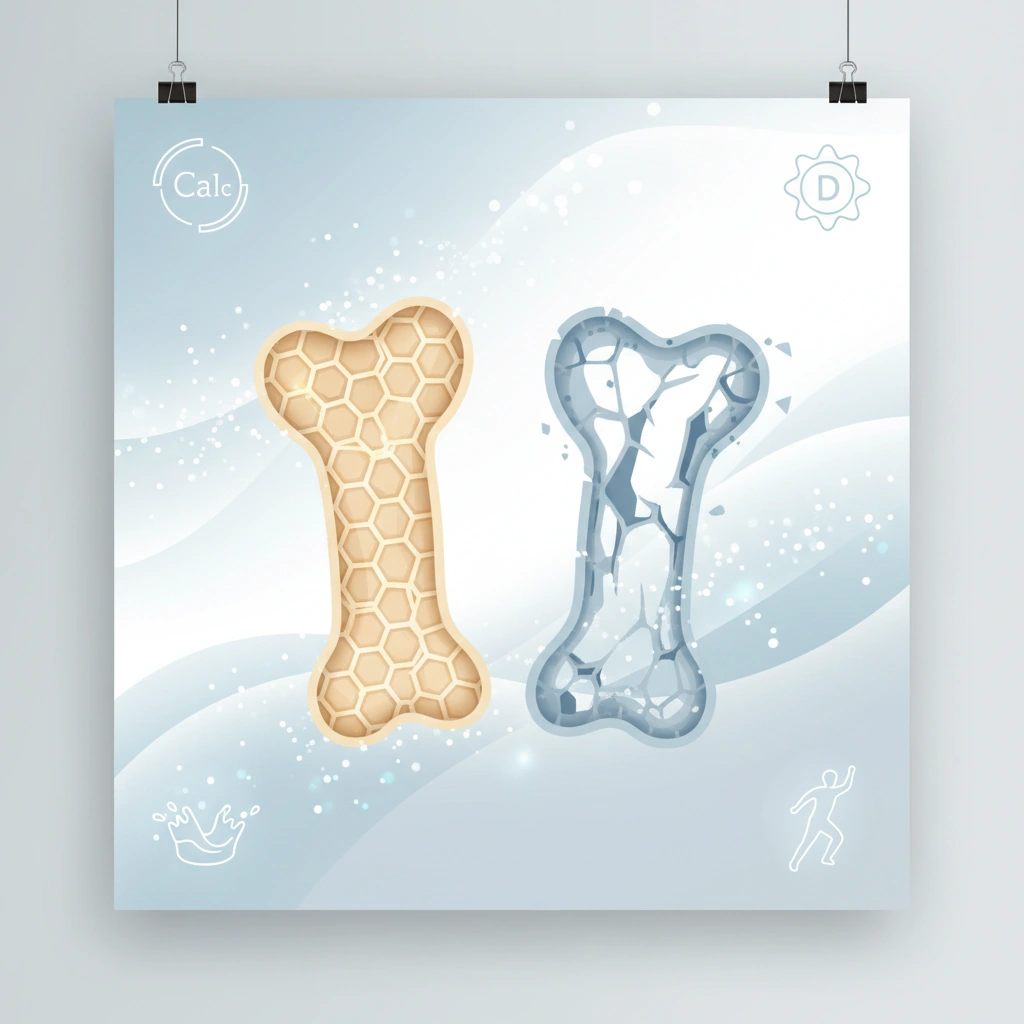
Ways to Prevent Osteoporosis
Osteoporosis is often associated with an unhealthy lifestyle and can be prevented with simple but consistent changes. The main focus is on maintaining bone density from youth to middle age, as bones reach peak density around age 30. Below, I will explain the key prevention methods in a categorized manner:
Proper nutrition
Adequate calcium: Calcium is the building block of bones. Daily intake of 1,000-1,200 mg of calcium (depending on age and gender) is essential. Sources: Milk, yogurt, cheese, leafy greens (such as kale and spinach), almonds, sardines, and canned tuna with bones. If your diet is not sufficient, calcium supplements (such as calcium carbonate or citrate) are recommended under the supervision of a doctor.
Vitamin D: Required for calcium absorption. Daily requirement 600-800 international units (IU). Sources: Sunlight (15-20 minutes per day), fatty fish (salmon, tuna), eggs, and fortified foods (milk or orange juice). In low-light areas or in winter, vitamin D supplementation is helpful.
Other nutrients: Protein, magnesium (in nuts and whole grains), and vitamin K (in green vegetables) help support bone health. Eat a balanced diet with fruits, vegetables, and whole grains.
Exercise and physical activity
Weight-bearing exercise: Activities that put stress on the bones, such as brisk walking, running, dancing, tennis, or light weight lifting, increase bone density. At least 30 minutes a day, 4-5 days a week is recommended.
Balance and strength exercises: To prevent falls and fractures, exercises such as yoga, tai chi, swimming, or using light weights are helpful. These strengthen muscles and improve balance.
Note: Elderly people or those with mobility problems should consult a doctor. Elderly people or those with mobility problems should consult a doctor.
Avoiding risk factors
Quit smoking: Smoking reduces calcium absorption and disrupts estrogen (a bone-protecting hormone in women). Quitting can improve bone density by 2-5% per year.
Limit alcohol and caffeine: Alcohol, more than 2 units per day, and caffeine, more than 3 cups of coffee per day, reduce calcium absorption. Moderate consumption (1-2 units of alcohol per day) is permissible.
Cut down on salt and soda: Too much salt flushes calcium out of your body through your urine, and the phosphate in soda interferes with calcium absorption. Substitute water and herbal teas.
Screening and medical care
Early detection: Women over 65 and men over 70, or those with risk factors (such as early menopause, family history, or use of corticosteroids), should have a bone density test (DEXA). Regular screening every 1-2 years is helpful.
Hormone management: In postmenopausal women, hormone replacement therapy (HRT) or bone-protecting medications (such as bisphosphonates) under the supervision of a doctor may be helpful.
Fall prevention: In older adults, installing grab bars in the bathroom, wearing appropriate footwear, and checking vision/balance are essential.
General notes
Prevention is better than cure; start at a young age to maximize bone reserve.
People with underlying medical conditions (such as thyroid problems, celiac disease, or rheumatoid arthritis) should consult a doctor, as they may need a personalized plan.
In Iran, given the high prevalence of vitamin D deficiency (due to coverage and low light), it is important to focus on supplements and safe sun exposure. The World Health Organization and Iranian associations such as the Osteoporosis Association recommend adopting the DASH or Mediterranean diet for bone health.
By following these steps, you can reduce the risk of osteoporosis by 50%. If you have symptoms (such as back pain or loss of height), see a doctor immediately.